Tucson Mountain Park: Ground Zero for Tucson Mountain Biking
Tucson Mountain Park is big and sprawling — plenty of riders show up and never quite find it.
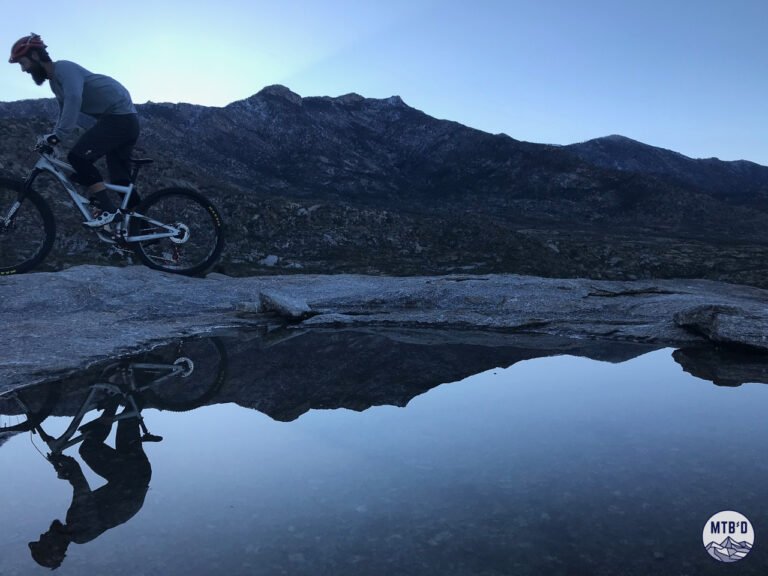
Some trail networks get built. Tucson Mountain Park just got worn in — by ranchers, equestrians, hikers, film crews, and eventually mountain bikers who looked at 20,000 acres of Sonoran Desert mountain terrain on the west side of the city and thought: yeah, I'm gonna get into that.
Not to mention those that came before. This is Ground Zero for anything mountainous in the Old Pueblo.
Tucson Mountain Park Defined
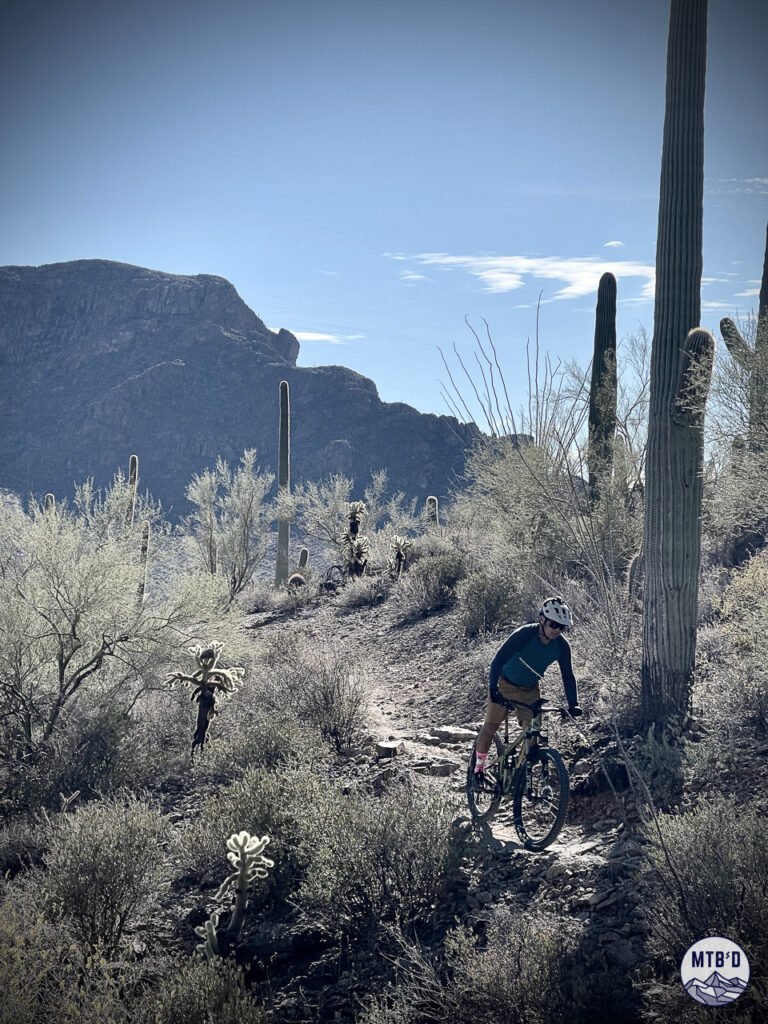
Just miles west of downtown, Tucson Mountain Park is the oldest, largest, and most historically significant trail network in Tucson — a 20,000-acre county park established in 1929 with ~75 miles of singletrack ranging from beginner-friendly desert loops to rugged legacy trails, shaped by over a century of use.
This is where Tucson mountain biking began—and where it still comes back to.
Should You Ride Tucson Mountain Park?
Ride it if:
- You want the full Sonoran Desert mountain biking experience, straight out of a western
- You're an intermediate rider looking for more variety than the valley floor networks offer
- You want a network big enough to get genuinely lost in if you're not paying attention
- You're visiting Tucson and want to understand why riders love this place
- You want to ride immediately after rain
Skip it if:
- You're a complete beginner — start at Fantasy Island
- You're chasing sky island elevation — that's Mt. Lemmon
- You want a quick, contained lap with no navigation decisions — TMP is all about extensions
New to Tucson? Start with Tucson Mountain Biking: Start Here →
Quick Stats
- Size: ~20,000 acres
- Trail Miles: ~75 miles singletrack
- Difficulty Range: Beginner to Black
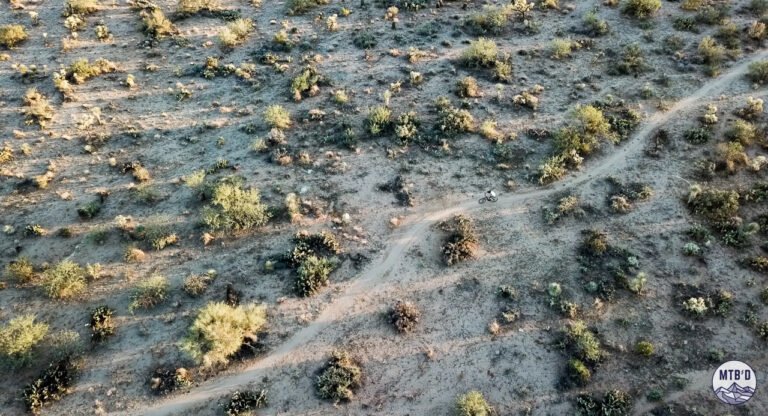
- Surface: Legacy desert singletrack — hardpack, loose over hardpack, embedded rock, sandy sections in the northwest and the washes
- Best Season: October–April; best in Tucson to ride immediately after rain
- eMTB: Not allowed
- Managed by: Pima County (maintained in partnership with SDMB)
- Established: 1929
- Permits: None, free
- Destination: Tucson
What to Expect
Tucson Mountain Park rides like Sweetwater’s bigger, wilder, older sibling.
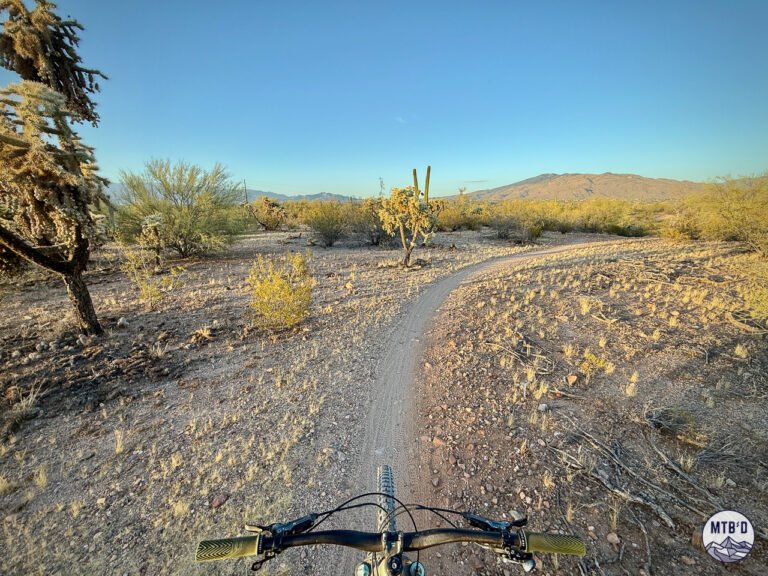
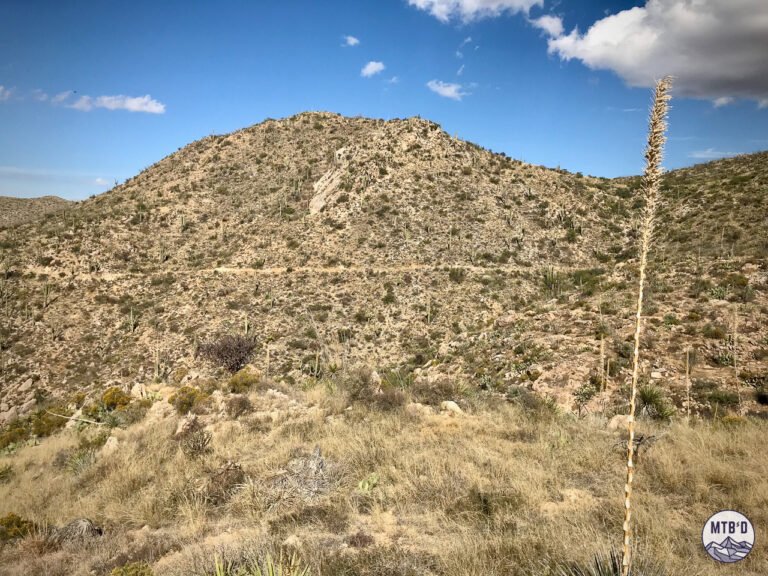
Both share the same foundation — lower desert elevation, Sonoran vegetation, natural-surface singletrack through saguaro and palo verde domination. Neither is a sky island. Neither connects to a high mountain. The geology here is limestone and basalt rather than granite — a different feel under tire, different riding entirely.
Another difference is scale and legacy.
Sweetwater is compact, engineered, purpose-built. Tucson Mountain Park is vast, historic, and layered — hiking, equestrian, ranching, and mountain biking all shaping terrain that has been claimed by all of it, at one time or another.
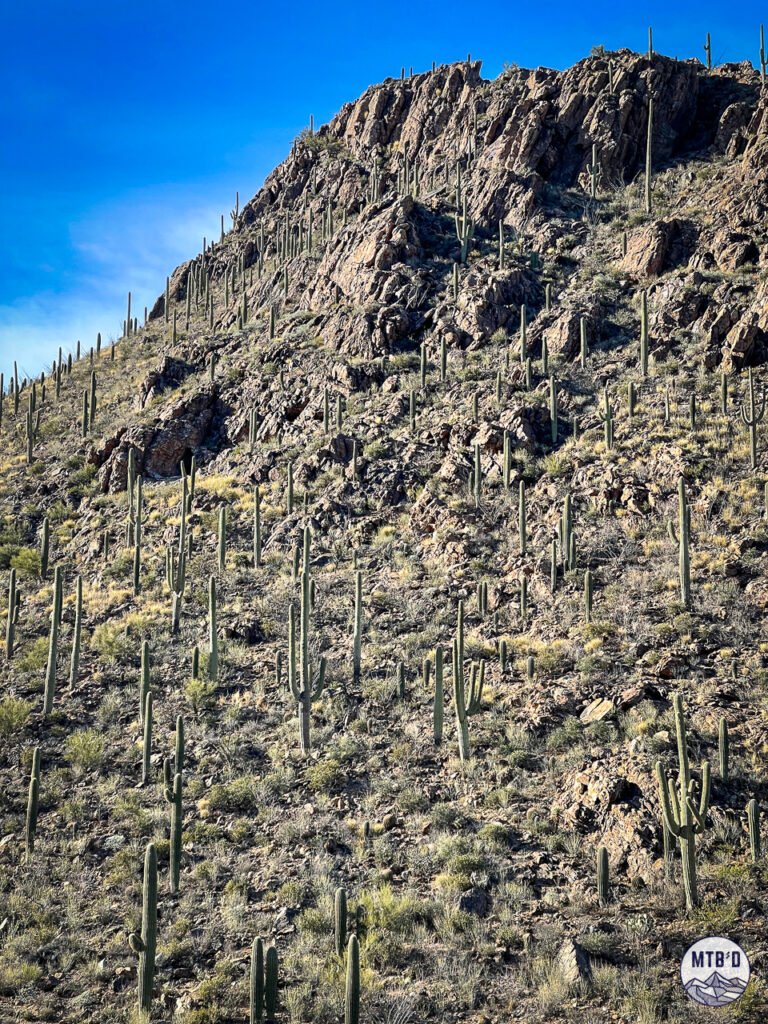
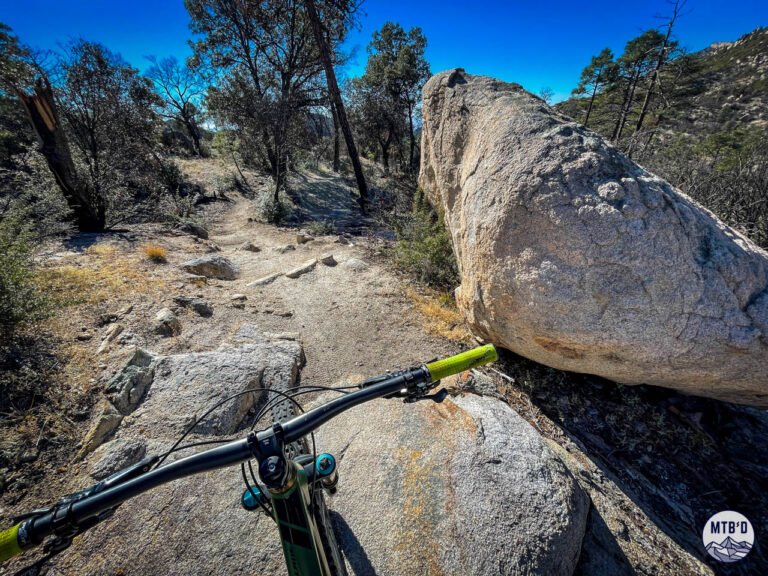
That history shows. Some trails are smooth and maintained. Others are loose, eroded, and unapologetically old-school. For MTB the park has improved over the last decade (thank you SDMB and others), but it will never feel like Sweetwater.
That’s a good thing.
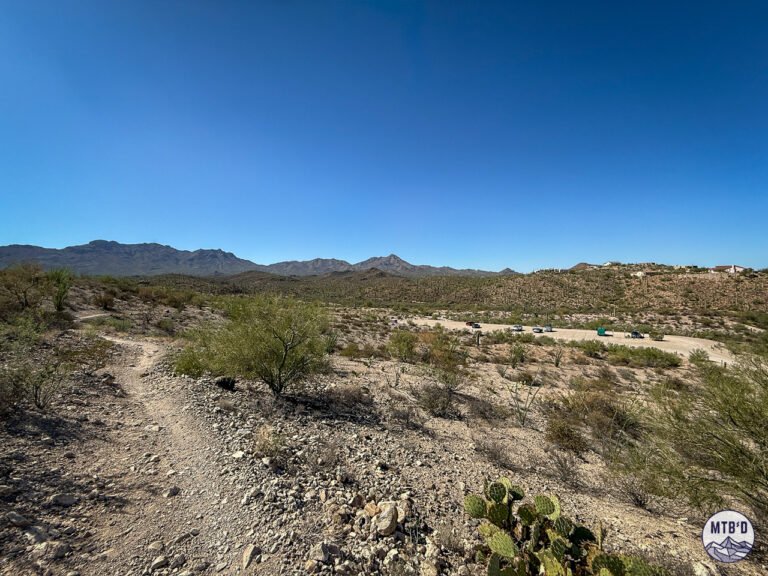
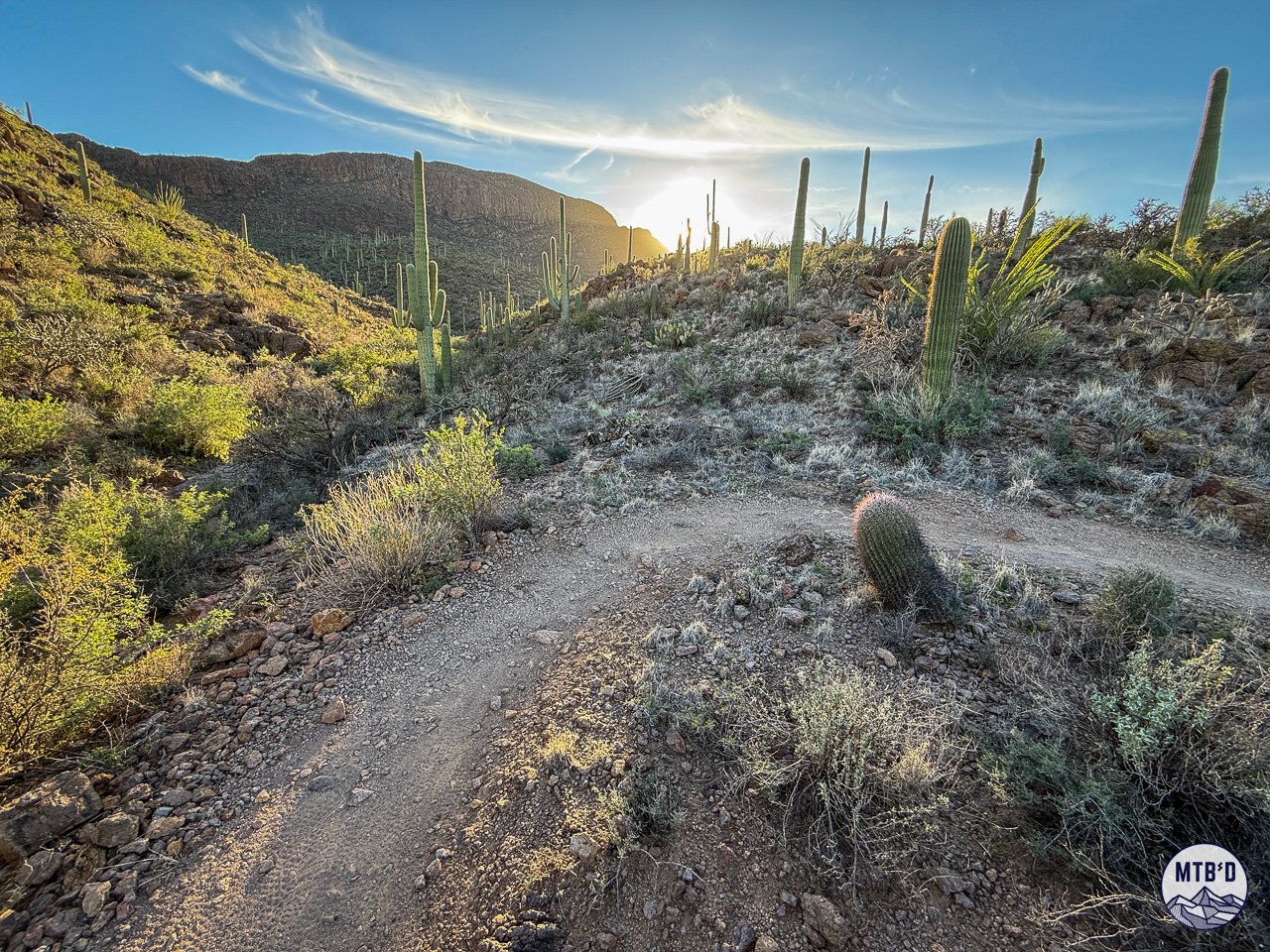
The setting is unmistakably western — volcanic mountains, dense saguaro, big open desert views. Old Tucson sits on the park’s edge, and the landscape looks exactly like it should.
On a bike, it feels earned.
See What's Coming. Ride the Good Stuff.
Get on-the-ground updates as trails transform and conditions change.
Don't fly blind in Tucson.
How the Network Works
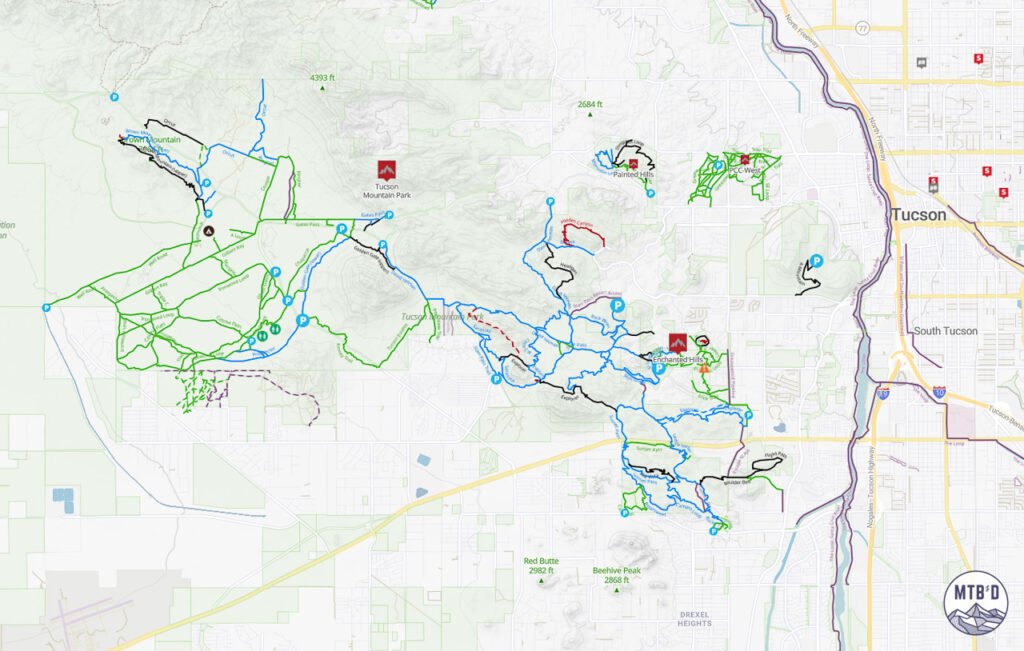
TMP functions as several distinct riding zones rather than one cohesive network.
The East — Enchanted Hills and Tucson Mountain Park central
The MTB sweet spot (everything east of Golden Gate Mountain and Gates Pass). More compact, connected, and the best combination of flow and technical trails in the park. Most riders should start here (beginner and intermediate terrain).
Start north of Ajo Highway, hit Robles Pass Trail Park if you need more room to roam.
West of Kinney Road
Sandy, horse-heavy, and not representative of the best of TMP. First-time riders should probably avoid this zone.
Northwest — Brown Mountain
Technical and stout. Come here if you're seeking out the rough stuff.
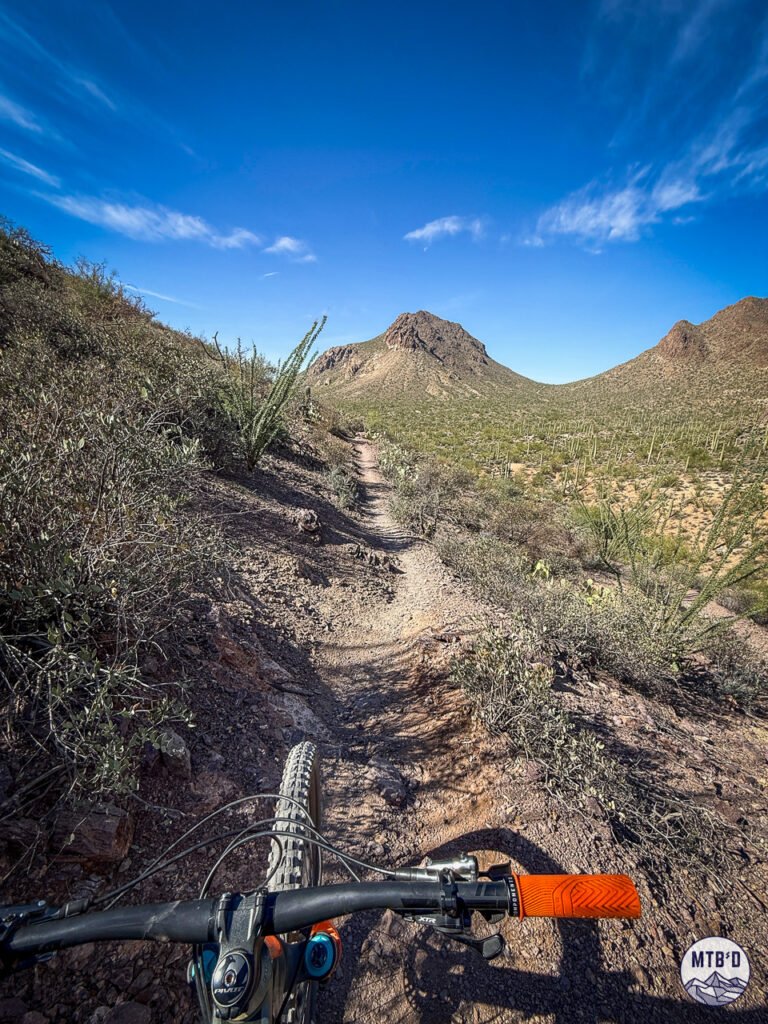
The navigation reality: Main trails are signed better than most Tucson networks, but the park is large enough to get genuinely turned around and it can get hot out there. Stay on primary routes and you’ll be fine. Start wandering and the day can get long.
Best Routes — Preview
Tucson Mountain Park is big enough that showing up without a plan is how good rides turn into long, confusing ones.
The One Ride That Matters
If you have one shot at Tucson Mountain Park, this is the move:
- Start at Richard Genser Trailhead
- Ride the East zone, north of Ajo Highway
- Build your ride outward depending on time and legs
This zone offers the best mix of terrain, flow, and navigation clarity in the entire park. You can build a strong 8–15 mile ride here that represents Tucson Mountain Park at its best.
Skip the northwest zone on a first visit.
How to Approach Your Ride
First visit: Stay contained. Learn the terrain. Greens and blues, get a feel.
Second: Extend into Southside terrain for more space, try the stuff around Golden Gate, or sample the black trails if you're feeling frisky.
Advanced riders: Link zones intentionally, and revel by mixing in the tech. Lots of good stuff to put in the mix.
The Good
Scale that no other Tucson network matches — seventy-five miles means you never run out of new terrain. Return visits keep revealing corners of the park that first-timers never find.
The access is remarkable for a desert trail network of this size and character. TMP connects to the Tucson Loop and the city's bike lane network, meaning riders from large parts of the city can arrive on two wheels without loading a car. That's rare anywhere. For a desert park with this much singletrack it's almost unheard of.
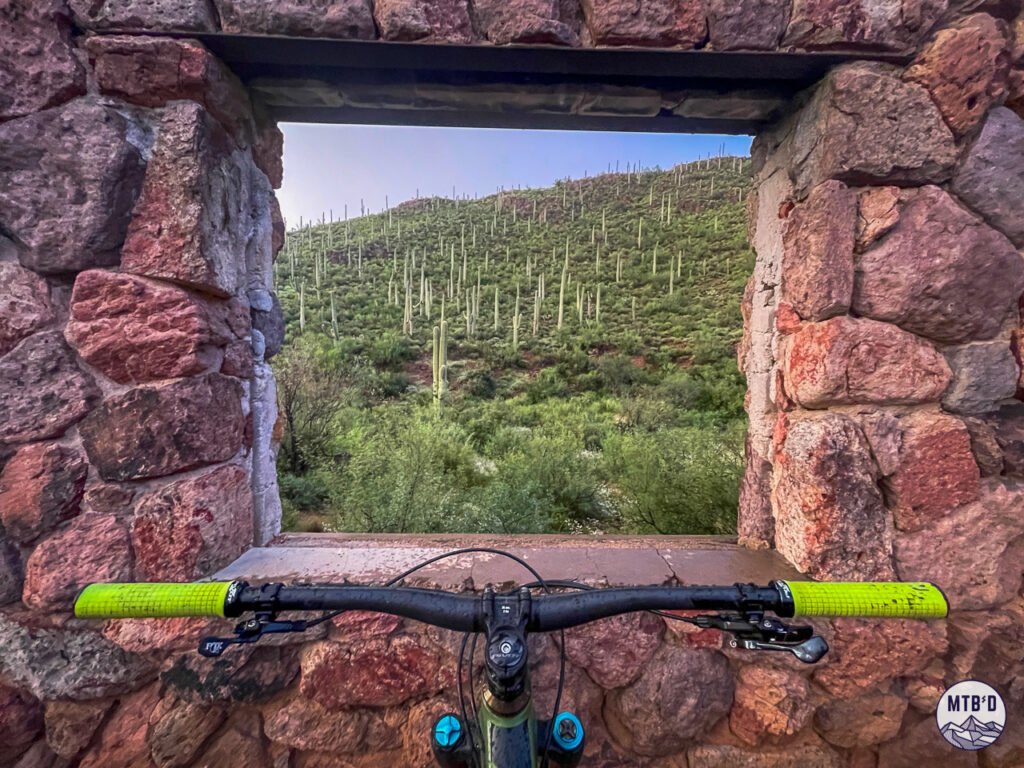
The western landscape setting is distinct from every other Tucson network. Lower volcanic mountains, dense saguaro on south-facing slopes, big open desert views that feel nothing like the granite sky island terrain up at 50 Year and Lemmon. This is the Tucson that visitors picture before they arrive — and it lives up to it.
The signing is better than most Tucson networks. Main corridors are marked. You won't be guessing at every junction the way you might at Honeybee or deep in the 50 Year network.
The Bad
The northwest zone will disappoint riders who wander into it without knowing what they're getting — sandy, horse-heavy, and not representative of what makes TMP worth riding. It's the first trap first-timers fall into and it colors the whole visit if you don't know to avoid it. Stay east.
The legacy trail character cuts both ways. The same rawness that gives TMP its identity also means inconsistent conditions across the network — some trails are smooth and well-maintained, others are loose, eroded, and variable in ways that surprise riders coming from Sweetwater's engineered singletrack. Expect jank in places. It's part of the deal.
The scale that makes TMP great also makes it possible to have a genuinely frustrating first visit without a route plan. This is not a network you figure out in one ride. The park is big enough that poor zone selection costs you the whole day.
The Dirty
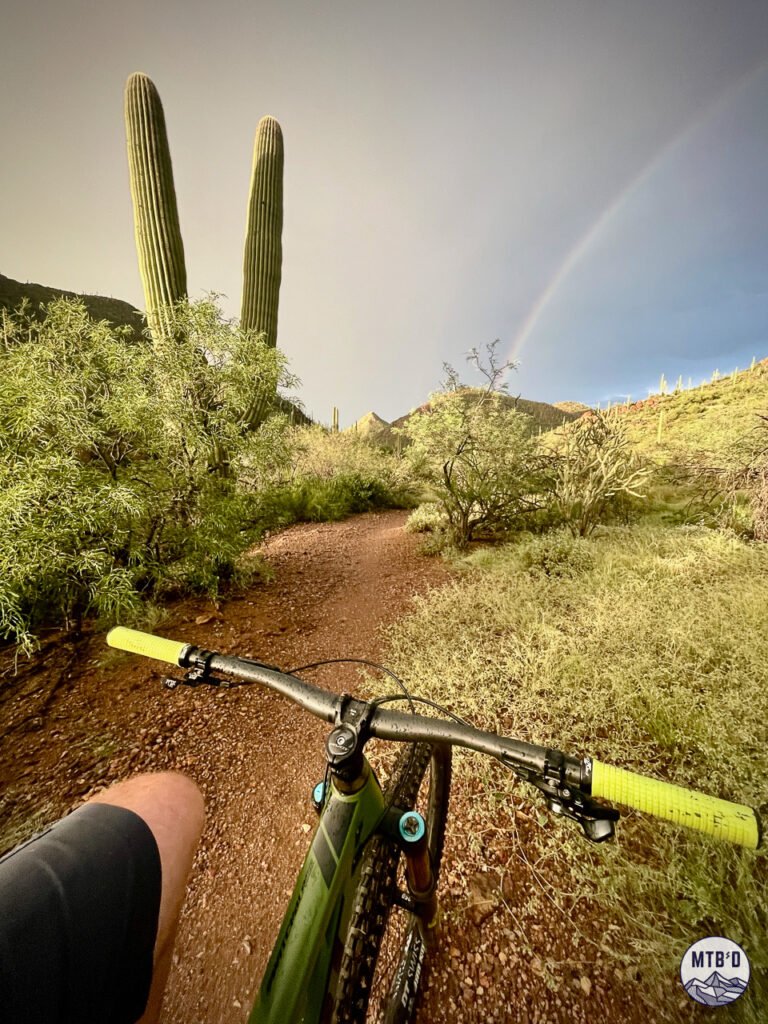
The morning after rain in Tucson there's a specific kind of local knowledge that separates the riders who know from the riders who don't. TMP drains faster and better than anywhere else in the city. When the Catalinas are closed, 50 Year is muddy, and Honeybee is marginal — TMP is often not just rideable but genuinely excellent. Locals know this. Now you do too.
And the one thing nobody mentions about riding at Tucson Mountain Park: Old Tucson — where Hollywood came for decades to film the American West — sits right on the park's western edge. The landscape you're riding through is the same landscape that stood in for every frontier town, every canyon ambush, every sweeping western vista in mid-century American cinema. It looks exactly like a movie set because it was one. Riders who know that feel something different out there. The desert has always been performing. You just get to ride through it.
The Verdict
Tucson Mountain Park is where Tucson mountain biking lives.
Not the most polished. Not the most technical. But the most quintessential expression of desert riding in the region.
Come here to understand Tucson. Come here after rain. Come here when Sweetwater feels too small.
Ground zero. Still standing.
See What's Coming. Ride the Good Stuff.
Get on-the-ground updates as trails transform and conditions change.
Don't fly blind in Tucson.